)
)
)
The Most Expensive Downtime Starts Long Before the Breakdown
Long before a haul truck is parked for repairs or a critical piece of plant equipment is removed from service, operational efficiency can already be under pressure. Components may be wearing faster than expected, maintenance intervals may be shortening, or equipment may be operating below optimal performance without obvious signs of failure.
For maintenance teams across the mining sector, the real challenge is often not responding to breakdowns. It is preventing them.
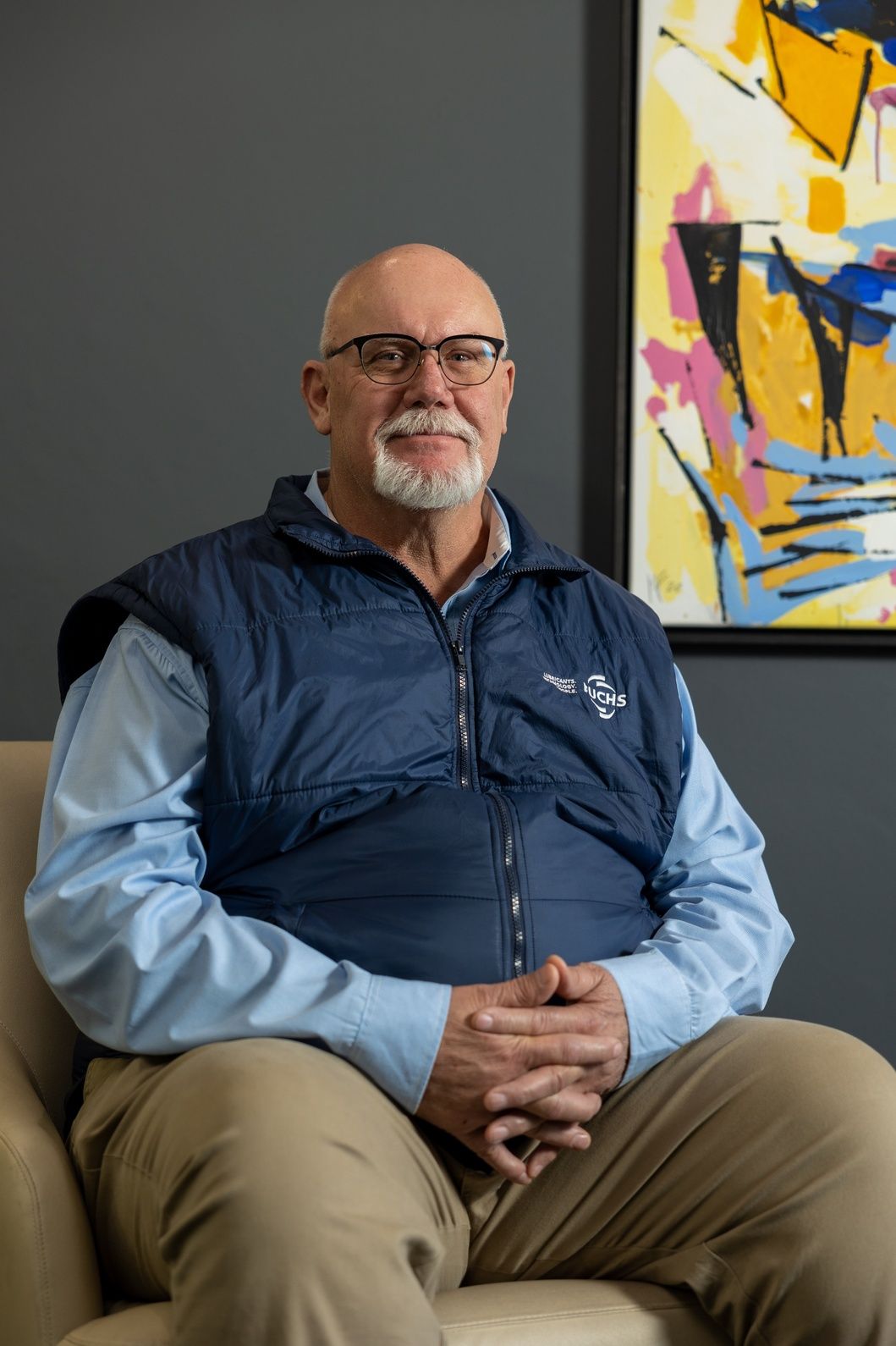
According to Dave Gons, National Manager Mining at FUCHS LUBRICANTS SOUTH AFRICA and Regional Mining Manager for Sub-Saharan Africa, some of the most significant maintenance costs originate from issues that could have been identified much earlier.
"Very few failures happen overnight," says Gons. "In many cases, equipment gives you warning signs. The opportunity lies in identifying those signs early enough to intervene before they develop into a much larger problem."
Small Issues Can Have Significant Consequences
Mining equipment operates in some of the harshest environments found anywhere in industry. Dust, moisture, heavy loads, extreme temperatures and long operating hours all contribute to the stresses placed on critical components. Under these conditions, even relatively minor issues can gradually develop into more serious concerns.
Contamination entering a lubrication system, declining fluid condition, cooling system inefficiencies or abnormal wear can all affect equipment performance over time. Left unaddressed, these issues can contribute to accelerated component wear, increased maintenance requirements and, ultimately, unplanned downtime.
The financial impact often extends beyond the repair itself.
Production losses, maintenance scheduling disruptions, equipment availability and replacement component costs can all compound the effect of a failure.
Prevention Is More Cost Effective Than Recovery
For many operations, maintenance strategies have shifted away from purely reactive approaches towards preventative and condition-based maintenance practices.
The objective is straightforward: identify potential risks before they become operational problems.
"Once a machine has failed, you're already dealing with the consequences," says Gons. "The greater value comes from understanding what is happening inside that machine before it reaches that point."
This is where regular equipment inspections, fluid monitoring and technical support can contribute to better decision-making.
By understanding equipment condition and identifying developing trends, maintenance teams can often schedule corrective action during planned maintenance windows rather than responding to unexpected failures.
Understanding What Fluids Can Tell You
Lubricants, transmission fluids and coolants do more than protect equipment. They can also provide valuable insight into equipment conditions.
Changes in fluid condition may indicate contamination, excessive wear, overheating or other developing issues that warrant further investigation.
When interpreted correctly, this information can help maintenance teams make informed decisions about equipment health and future maintenance requirements.
"Fluids are often one of the earliest indicators that something within the machine is changing," explains Gons. "The key is knowing what to look for and understanding what those changes might mean."
This reinforces the importance of technical expertise alongside product selection. The value is not simply in choosing the right lubricant or coolant. It is in understanding how those products perform in service and what they reveal about the condition of the equipment they are protecting.
Managing Risk Through a Proactive Mindset
Every mining operation faces risk. The question is how effectively that risk is managed.
A proactive maintenance culture focuses on identifying issues early, understanding the factors influencing equipment performance and taking action before production is affected.
For FUCHS, supporting this approach forms part of a broader commitment to helping customers protect equipment, extend component life and improve operational outcomes.
"Reliability is rarely the result of a single decision," says Gons. "It comes from consistently making good decisions over time. Preventative maintenance is one of the most effective ways of doing exactly that."
The most expensive downtime is not necessarily the breakdown itself. Often, it is the cost of the warnings that went unnoticed.
Continuing the Conversation at Electra Mining Africa 2026
Mining professionals interested in discussing these challenges with Dave Gons and the FUCHS Mining team can visit FUCHS at Electra Mining Africa 2026 in Hall 6 (previously Hall 5), Stand C21.
For more information explore FUCHS Mining Lubrications Solutions online, email ZA-contact-za@fuchs.com or connect via WhatsApp on 071 861 8844.
ENDS/…
)
)
)
)
)
)
)
)
)
)
)
)
)
)
)
)
)
)
)
)

)
)
)
)
)
)
)
)
)
)
)
)
)
)
)
)
)
)
)
)
)
)
)
)
)
)
)