)
)
)
Protecting Africa’s power systems in the age of climate and cyber risk
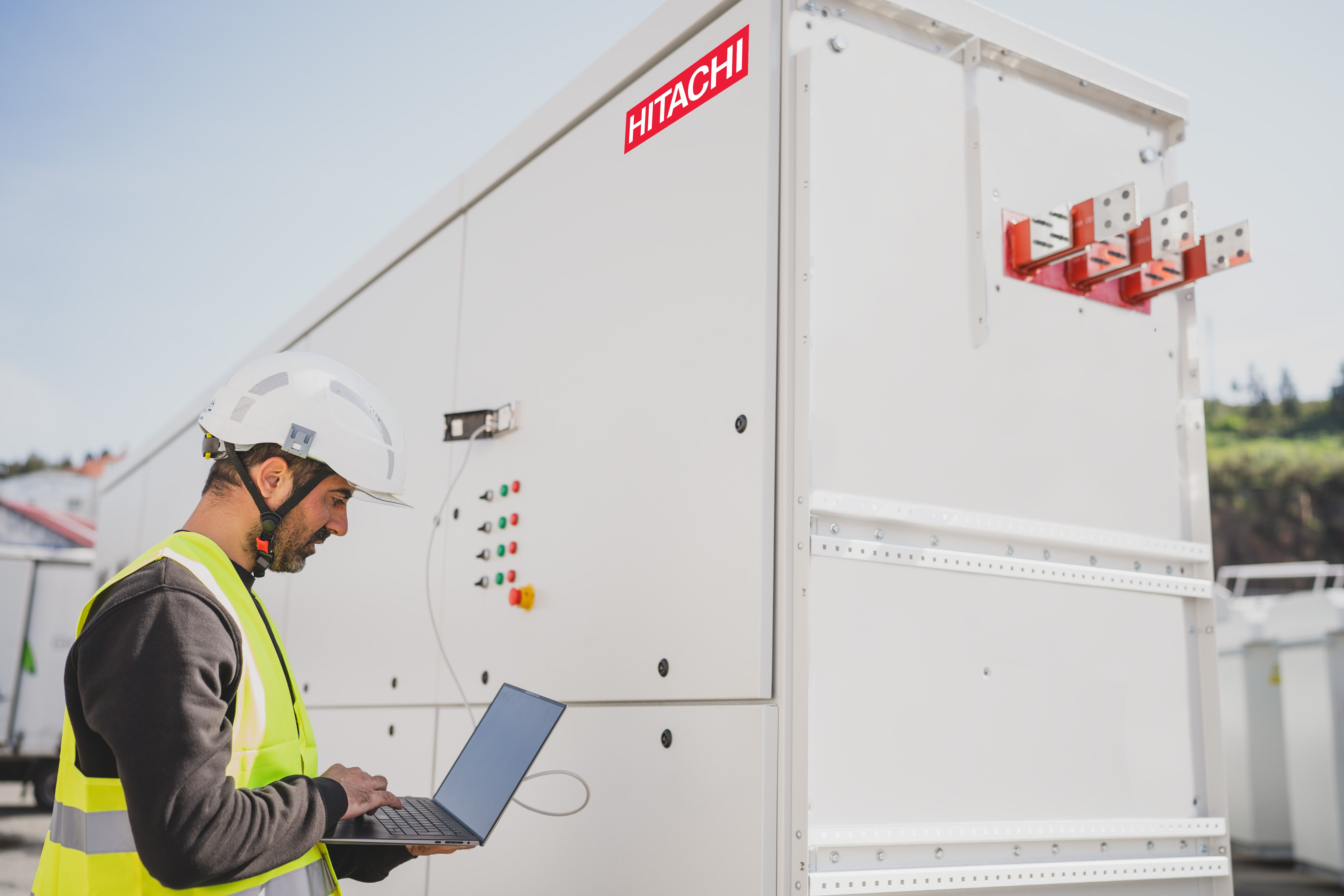
Article Summary: Protecting Africa’s Power Systems in the Age of Climate and Cyber Risk
The article argues that electricity security has become a strategic priority for Africa as power systems face increasing threats from climate change, cyberattacks, physical sabotage, and geopolitical instability. As economies become more digitalised and dependent on reliable electricity, disruptions can have far-reaching impacts on healthcare, water supply, telecommunications, transport, financial systems, and overall economic stability.
A key concern highlighted is the growing impact of climate change on electricity infrastructure. More frequent and severe droughts, floods, heatwaves, and wildfires are placing significant strain on power generation and transmission networks. In Africa, droughts can reduce hydroelectric power output, while extreme heat can lower the efficiency of thermal power plants and simultaneously increase electricity demand. Flooding can damage substations and transmission infrastructure. The article stresses that future energy investments must be based on forward-looking climate scenarios rather than historical weather patterns.
The article also examines the cybersecurity challenges associated with the digital transformation of power systems. Modern grids increasingly rely on automation, cloud technologies, remote monitoring, and interconnected operational technologies. While these innovations improve efficiency and visibility, they also create new vulnerabilities. Cybercriminals can target IT systems, manipulate data, or gain access to operational controls, potentially causing real-world damage to electricity infrastructure. As cyberattacks on utilities continue to rise globally, the article advocates a risk-based approach to security rather than simply meeting compliance requirements.
According to Hitachi Energy, effective protection requires close collaboration among utilities, regulators, technology providers, and law enforcement agencies. Information sharing and coordinated responses are essential to identifying and mitigating emerging threats before they cause major disruptions. Physical security and insider threats must also be addressed alongside cyber risks.
The article identifies decentralisation as a major opportunity to strengthen resilience. Distributed energy resources such as rooftop solar systems, community-scale renewable energy projects, mini-grids, and battery storage can reduce dependence on large centralised power stations. During disruptions, these decentralised assets can continue supplying critical services even when parts of the main grid are compromised. However, their successful deployment requires proper integration into broader grid operations to maintain stability and ensure coordinated responses during emergencies.
Another major theme is the importance of recovery and response capabilities. Resilience is not only about preventing disruptions but also about restoring services quickly when incidents occur. Strategic reserves of essential equipment, including transformers and mobile substations, can significantly reduce restoration times. Regional cooperation, harmonised equipment standards, and mutual assistance agreements between countries can further improve response effectiveness.
The article emphasises that technology alone cannot guarantee electricity security. Skilled personnel, robust institutions, clear operational procedures, and effective crisis management capabilities are equally important. Investing in workforce development and expanding technical training are therefore essential components of long-term resilience.
The central conclusion is that electricity security should now be viewed as a form of national security. As Africa continues to expand and modernise its energy infrastructure, countries have a unique opportunity to build resilient, secure systems from the outset rather than inheriting legacy vulnerabilities. By prioritising resilient infrastructure, diversified energy sources, cybersecurity, digital situational awareness, flexibility, and human capital, African nations can create power systems capable of supporting sustainable economic growth and development for decades to come.
)
)
)
)
)
)
)
)
)
)
)
)
)
)
)
)
)
)
)

)

)
)
)
)
)
)

)
)
)
)
)
)
)

)
)
)
)
)
)
)
)
)
)

)
)
)
)