)
)
)
Why Lead-Acid Still Rules Underground: The Safety Case, and the Circle That Closes
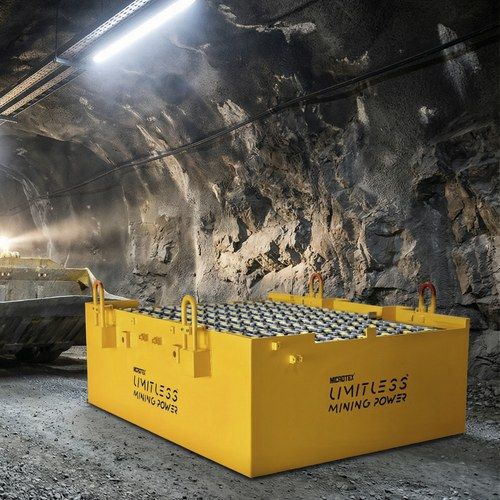
There is a second argument, and it closes a circle. In organised recycling systems, recovery rates for lead-acid batteries are routinely reported around 99 percent — by many accounts the most successfully recycled manufactured product in the world. The lead in a new battery has usually lived several lives already. For a mine, this has a practical edge: a retired pack is not waste but metal with a market price, and the scrap credit belongs in any honest total-cost comparison between chemistries. Microtex is a registered producer under India's Battery Waste Management Rules, and routes end-of-life batteries into the licensed recycling chain.
The engineering behind the position is published openly at microtex.com/mining and in the knowledge library at microtex.com/knowledge — including why tubular plates survive deep daily cycling, what the charging bay does to battery life, and how a professional battery post-mortem reads the evidence.
Debate it in person at Stand E17G, Electra Mining Africa 2026, Johannesburg, 7–11 September.
https://microtex.com/diesel-vs-battery-underground-coal-mines/
)
)
)
)
)
)
)
)
)
)
)
)
)
)
)
)
)
)
)

)

)
)
)
)
)
)

)
)
)
)
)
)
)

)
)
)
)
)
)
)
)
)
)

)
)
)
)