)
)
Why Retrofit Security Can Improve Risk Management Faster
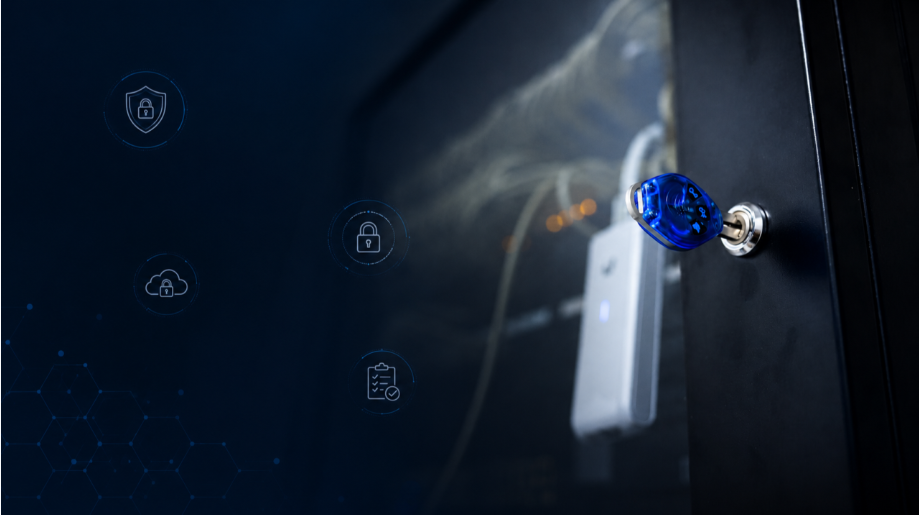
Faster Risk Mitigation
Retrofit security allows businesses to enhance their current systems without full replacement. By adding modern components such as advanced access control, smart sensors, and monitoring software, organisations can address vulnerabilities immediately. Unlike complete system overhauls, retrofitting targets the gaps that matter most, reducing exposure to potential threats and improving response times.
Minimal Operational Disruption
One of the biggest challenges with full replacements is downtime. Installing entirely new systems often requires shutting down critical operations, which can create additional security risks during the transition. Retrofit solutions integrate seamlessly with existing infrastructure, allowing risk management improvements to take effect without halting day-to-day business. This continuity is especially important in high-security environments or operations that cannot afford interruptions.
Cost-Effective and Scalable
Retrofit security is not only faster but also more cost-effective. It maximises the lifespan of existing hardware while leveraging modern technology for enhanced protection. Additionally, retrofitting offers scalability. Organisations can implement improvements incrementally, prioritising the areas with the highest risk rather than committing to a large upfront investment.
Enhanced Monitoring and Control
With retrofit upgrades, businesses can integrate advanced monitoring tools and analytics. This provides real-time insights into potential threats. A proactive approach strengthens risk management by enabling faster detection, better incident tracking, and smarter decision-making.
)
)
)
)
)
)
)
)
)
)
)
)
)
)
)
)
)
)
)

)

)
)
)
)
)
)

)
)
)
)
)
)
)

)
)
)
)
)
)
)
)
)
)

)
)
)
)